| Product dosage: 250mg | |||
|---|---|---|---|
| Package (num) | Per pill | Price | Buy |
| 30 | $1.84 | $55.25 (0%) | 🛒 Add to cart |
| 60 | $1.46 | $110.49 $87.39 (21%) | 🛒 Add to cart |
| 90 | $1.33 | $165.74 $119.54 (28%) | 🛒 Add to cart |
| 120 | $1.26 | $220.99 $150.67 (32%) | 🛒 Add to cart |
| 180 | $1.18 | $331.48 $212.95 (36%) | 🛒 Add to cart |
| 270 | $1.14 | $497.23 $308.38 (38%) | 🛒 Add to cart |
| 360 | $1.12
Best per pill | $662.97 $403.81 (39%) | 🛒 Add to cart |
Synonyms
| |||
Similar products
More info:
Chloroquine: Effective Antimalarial and Immunomodulatory Therapy
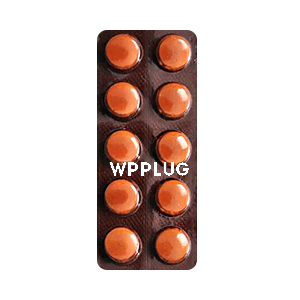
Chloroquine phosphate is a well-established medication primarily indicated for the prophylaxis and treatment of malaria caused by susceptible strains of plasmodia. It belongs to the 4-aminoquinoline class of compounds and has been a cornerstone of antimalarial therapy for decades. Beyond its antiparasitic applications, chloroquine exhibits immunomodulatory properties, making it valuable in the management of certain autoimmune conditions such as rheumatoid arthritis and lupus erythematosus. Its mechanism involves raising intravesicular pH within parasitic and host cells, thereby interfering with critical processes like hemoglobin digestion by malaria parasites and antigen processing in autoimmune contexts.
Hydroxychloroquine: Effective Management of Autoimmune Conditions
Hydroxychloroquine is an antimalarial and immunomodulatory agent widely utilized in rheumatology and dermatology for its disease-modifying properties. It functions by modulating immune responses and is a cornerstone in the long-term management of chronic inflammatory conditions such as systemic lupus erythematosus and rheumatoid arthritis. Its well-established efficacy and generally favorable safety profile make it a first-line therapeutic option for many patients. Features Active ingredient: Hydroxychloroquine sulfate Available in 200 mg and 400 mg oral tablets Prescription-only medication Long half-life allowing for once or twice daily dosing Generic and brand-name formulations available (e.
Clindamycin: Potent Antibiotic Therapy for Serious Bacterial Infections
Clindamycin is a lincosamide antibiotic prescribed for the treatment of a wide range of serious anaerobic and aerobic gram-positive bacterial infections. Its mechanism of action involves inhibiting bacterial protein synthesis by binding to the 50S ribosomal subunit, effectively halting bacterial growth and proliferation. This medication is particularly valued in clinical settings for its efficacy against organisms resistant to other antibiotics and its excellent tissue penetration, including bone. Available in oral, topical, and intravenous formulations, clindamycin is a cornerstone in managing skin and soft tissue infections, intra-abdominal infections, and certain respiratory tract infections, providing clinicians with a reliable therapeutic option when penicillin-class agents are unsuitable or ineffective.
Doxycycline: Broad-Spectrum Antibiotic for Bacterial Infection Control
Doxycycline is a versatile, second-generation tetracycline-class antibiotic renowned for its broad-spectrum activity against a wide array of gram-positive, gram-negative, atypical, and parasitic microorganisms. It functions as a bacteriostatic agent by inhibiting protein synthesis at the ribosomal level, effectively halting bacterial proliferation. Its excellent tissue penetration, favorable pharmacokinetic profile, and oral bioavailability make it a cornerstone in both outpatient and inpatient therapeutic regimens for numerous infectious diseases. Features Active Ingredient: Doxycycline (as doxycycline hyclate or doxycycline monohydrate) Drug Class: Tetracycline antibiotic Available Forms: Oral tablets (50 mg, 100 mg), capsules, oral suspension, intravenous injection Mechanism of Action: Binds to the 30S ribosomal subunit, inhibiting aminoacyl-tRNA attachment Spectrum of Activity: Broad-spectrum; effective against many aerobic, anaerobic, intracellular, and extracellular pathogens Bioavailability: Approximately 100% for oral formulations under fasting conditions Half-Life: 18–22 hours, allowing for once or twice-daily dosing Protein Binding: 80–90% Metabolism: Hepatic; not extensively metabolized Excretion: Primarily fecal (via bile), some renal excretion Benefits Effective Against Resistant and Atypical Pathogens: Demonstrates reliable efficacy against community-acquired methicillin-resistant Staphylococcus aureus (CA-MRSA), Chlamydia trachomatis, Mycoplasma pneumoniae, and Rickettsia species.
Lariam: Comprehensive Malaria Prophylaxis for Global Travelers
Lariam, with the active ingredient mefloquine hydrochloride, is a prescription antimalarial medication developed for the prevention and treatment of malaria caused by Plasmodium falciparum and Plasmodium vivax. It is particularly indicated for travelers to regions with known chloroquine-resistant malaria strains. As a long-acting chemoprophylactic agent, Lariam offers sustained protection with a convenient weekly dosing regimen, making it a cornerstone in travel medicine for individuals requiring reliable defense against this potentially fatal mosquito-borne disease.
Plaquenil: Effective Management of Autoimmune Conditions
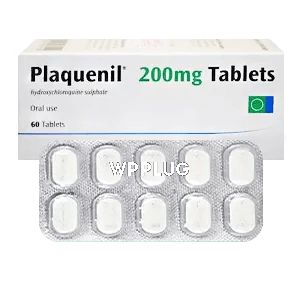
Plaquenil, known generically as hydroxychloroquine sulfate, is an antimalarial and immunomodulatory agent widely prescribed for the management of chronic autoimmune diseases. It functions by modulating the immune system’s activity, thereby reducing inflammation and preventing disease progression. This medication is a cornerstone in the long-term treatment strategy for conditions such as systemic lupus erythematosus and rheumatoid arthritis, offering patients a means to achieve better disease control and improved quality of life. Its well-established efficacy and generally favorable safety profile make it a first-line option in many therapeutic regimens.
Primaquine: The Definitive Antimalarial for Radical Cure
Primaquine phosphate is an 8-aminoquinoline antimalarial agent with a unique and critical therapeutic role. It is the only medication widely available for the radical cure of Plasmodium vivax and Plasmodium ovale malaria, targeting the dormant hypnozoite forms of the parasite that reside in the liver. This action prevents relapse, a hallmark of these malaria species, which can occur weeks or even months after the initial illness. Its use is a cornerstone of public health strategies in endemic regions and for treating returning travelers, moving beyond mere symptom suppression to achieve a true biological cure.
Abana: Natural Cardiovascular Support for Optimal Heart Health
Abana is a clinically studied, natural supplement formulated to support cardiovascular wellness and maintain healthy cholesterol levels already within the normal range. Developed through extensive research in Ayurvedic medicine, this proprietary blend combines potent botanicals and minerals known for their cardioprotective properties. Abana works holistically to promote circulatory function, support lipid metabolism, and provide antioxidant protection against oxidative stress. Its multi-mechanism approach makes it an ideal choice for individuals seeking comprehensive cardiovascular maintenance through evidence-based natural medicine.
Abhigra: Advanced Relief for Chronic Inflammatory Conditions
Abhigra represents a significant advancement in targeted anti-inflammatory therapy, engineered for patients with persistent inflammatory disorders who have found inadequate relief from conventional treatments. Developed through rigorous clinical research, this prescription medication employs a sophisticated mechanism of action to modulate inflammatory pathways at the cellular level, offering a new standard in both efficacy and tolerability. Its precision-targeted formulation minimizes systemic exposure while maximizing therapeutic impact at affected sites, making it a preferred option among rheumatologists, gastroenterologists, and dermatologists specializing in autoimmune and chronic inflammatory diseases.